
Andrew M. Ashton
His work includes drafting ex parte opinions for Patent Trial and Appeal Board judges, and he holds degrees in electrical engineering.
Will your product run into someone else’s patents? We assess the risk and give a considered opinion on it. It is a risk assessment, never a promise of an outcome.
Given by registered patent attorneys Andrew M. Ashton and David Y. Ashton, for inventors, startups, universities and Fortune 100 companies.
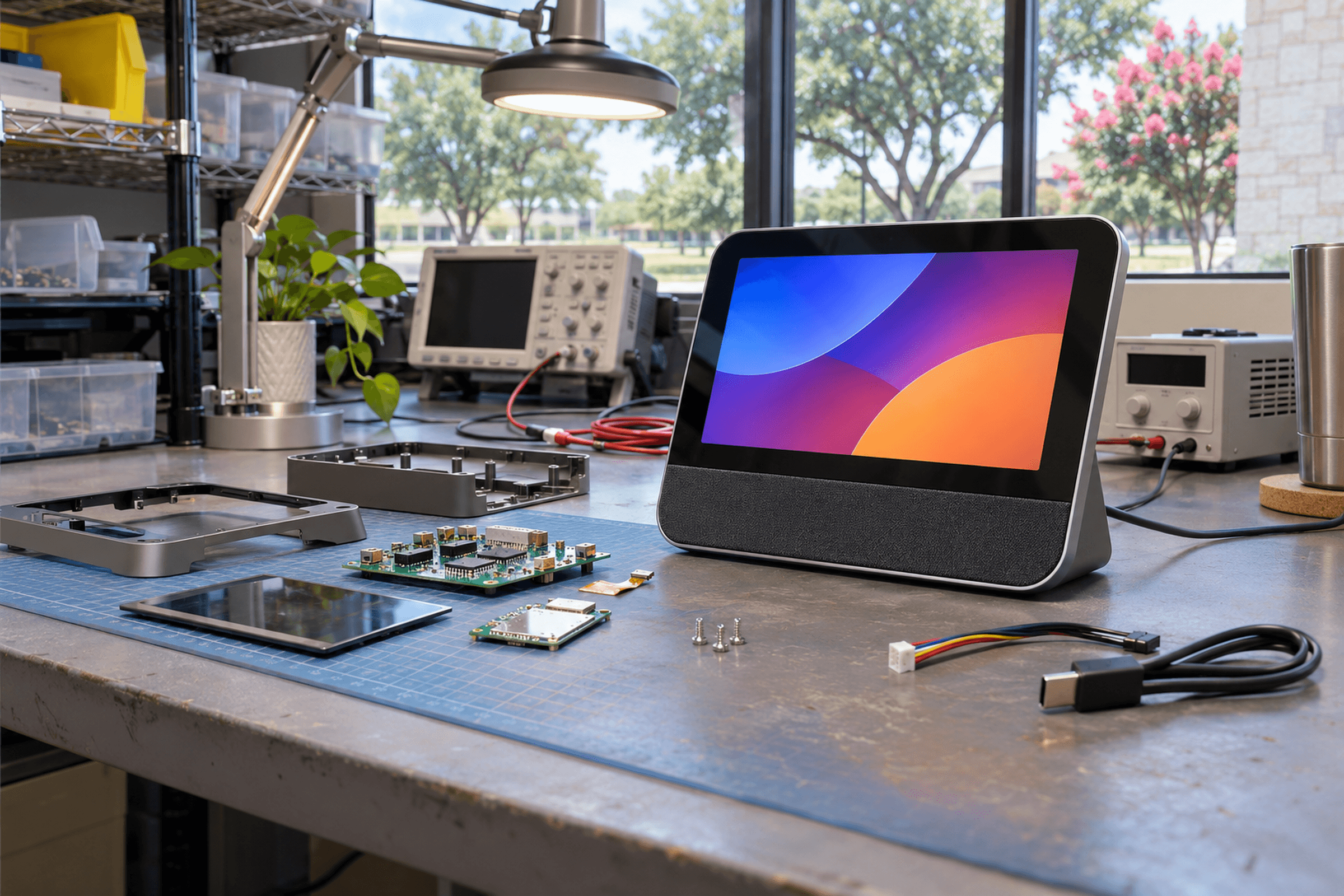
Infringement occurs when someone, without authority, makes, uses, offers to sell or sells a patented invention within the United States, or imports it.
A product can do that without anyone meaning to, which is why the check happens before launch.
An analysis begins by searching patent literature for issued or pending patents, then gets a legal view on whether the product could infringe them.
FTO search
FTO opinion
Design-around review
| FTO search | FTO opinion | Design-around review | |
|---|---|---|---|
| What it answers | Which issued or pending patents may touch the product? | Could the product infringe the patents found? | Can the product or process fall outside a claim? |
| What you receive | A list, not a view | A legal view, claim by claim | Changes to consider |
What it is and how it works.
Where it will be made, used or sold.
Issued and pending patents in those markets.
Compare each relevant claim with the product.
A considered view of the risk.
What to do about any patent that may block you.
Tell us the product type and the markets involved.
Schedule a consultationPatent protection is territorial, so freedom to operate is assessed for each market where the product will be made, used or sold. A clear result in one country says nothing about another.
A patent in the way is a problem to solve, and there are several routes.
Agree terms with the patent owner.
Acquire the patent.
Change the product or process so it falls outside the claims.
Inter partes review*, based on patents or printed publications.
An expired patent is in the public domain.
*An inter partes review petition can be filed from 9 months after grant, on grounds under sections 102 or 103.
Facing a known patent? Tell us which one and the product involved.
Schedule a consultationIt depends on what is at stake. Courts may increase infringement damages up to three times the amount found or assessed, so knowing the risk before launch can change a decision. Failing to obtain advice of counsel may not be used to prove willful infringement, so an opinion is a business decision about risk.
We shape the scope, and the arrangement, around what the launch needs.
Keep these for after the conflict check, not the first inquiry.
Product description. What the product is and how it works.
Markets. Where it will be made, used or sold.
Launch date. When it is planned to reach the market.
Known patents. Any patents or notices you already know about.
Registered patent attorneys, directly.
His work includes drafting ex parte opinions for Patent Trial and Appeal Board judges, and he holds degrees in electrical engineering.
His practice has included freedom-to-operate analyses, due diligence and portfolio management, and he advises innovators from startups and universities to Fortune 100 companies.
For what a company really owns, see IP due diligence.
It does not promise an outcome. It gives you a considered view of the risk before you commit, and the options for dealing with it.
After a patent expires, it is considered to be in the public domain and may be freely used.
Yes. Schedule a consultation and tell us who sent it; keep the product details for after the conflict check.
Freedom to operate asks whether your product may infringe others' patents. Due diligence asks what patent rights a company really owns.
Schedule a consultation and tell us the type of product and the markets involved. After the conflict check, we agree on the scope and what the opinion will cover.
Ashton IP uses cookies for analytics to improve this site. See our cookie policy.