
IP due diligence
Before an investment, acquisition or partnership, we review the patent rights the deal depends on, so you know what you are buying or backing.
- Ownership and chain of title
- Still in force
- Claim coverage of the products
Ashton IP is a patent law firm. Registered patent attorneys David Y. Ashton and Andrew M. Ashton handle the work directly, from evaluating an invention to managing a portfolio.
Patent work is all we do.
We draft the application and take it through examination at the US Patent and Trademark Office. Prosecution is the back-and-forth with the examiner until the application is allowed or abandoned.
We help decide what to file, where it fits and how the portfolio supports the business over time, including what not to file and which patents to stop paying for.
When you need it: planning filings around products, fundraising, a research program or competitors.
What it covers: which inventions to protect, in which countries, and which patents to keep at each maintenance review.

When patent rights are licensed, sold or assigned, the paperwork decides who holds them. We help when you are licensing technology in or out, buying or selling patents, or moving rights between companies.
Under US law, a patent assignment must be in writing, and a transfer not recorded within three months can be void against a later purchaser.
Before an investment, acquisition or partnership, we review the patent rights the deal depends on, so you know what you are buying or backing.
Before a launch, a new feature or a new market, or after a patent notice arrives, we search for issued and pending patents and give a considered opinion on the risk.
An opinion assesses risk. It does not promise an outcome.
Some clients need patent counsel that reaches past a single filing. See who we work with.
Working with academic inventors and research leaders to turn disclosures into a coherent portfolio.
Patent attorneys working alongside your inventors, business leaders and legal team.
Patent rights are territorial. The Patent Cooperation Treaty lets an applicant seek protection in many countries at once, while each office still decides whether to grant.
The list is a starting point, not a limit. Andrew M. Ashton holds bachelor’s and master’s degrees in electrical engineering.
Yes. Clients work directly with David and Andrew, who both remain involved in understanding the technology and carrying the strategy forward.
Has advised startups, universities and Fortune 100 companies, and spent time in-house supporting a Fortune company’s chief technology office.
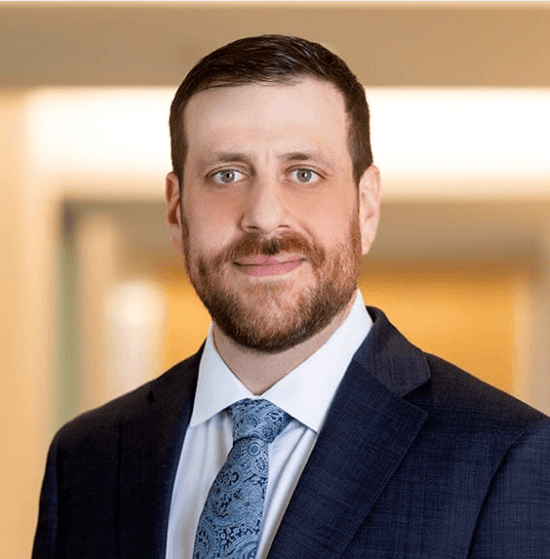
Holds degrees in electrical engineering, and his work includes drafting ex parte opinions for Patent Trial and Appeal Board judges.
You can begin without sharing anything confidential about your invention.
Send a short note with who you are, the type of matter and any other parties involved.
We use those details to check for conflicts before discussing the invention.
Talk with the attorneys about scope, priorities and an arrangement that fits the work.
Once we are able to take on the matter, we discuss how to share confidential details.
Yes. The firm serves inventors, startups, universities and companies, from emerging businesses to Fortune 100 firms. Each arrangement is shaped around the scope of the work, your priorities and your business objectives.
We offer flexible arrangements that align with your business objectives, and we explain the terms plainly before work begins.
A utility patent covers any new and useful process, machine, manufacture or composition of matter, or a new and useful improvement of one. A design patent protects a new, original and ornamental design for an article of manufacture and is granted for 15 years from grant.
The USPTO keeps applications in confidence, and they are generally published promptly after 18 months from the earliest filing date claimed.
No. Contacting the firm does not create an attorney-client relationship, so please do not send confidential information until an engagement is confirmed.
Read the firm’s legal notices.
Send your contact details through the form, or call or email David or Andrew with who you are, the type of matter and any other parties. After a conflict check, you talk with the attorneys about scope and next steps. Please do not send confidential details of your invention at this stage. Meet our attorneys.
Ashton IP uses cookies for analytics to improve this site. See our cookie policy.